
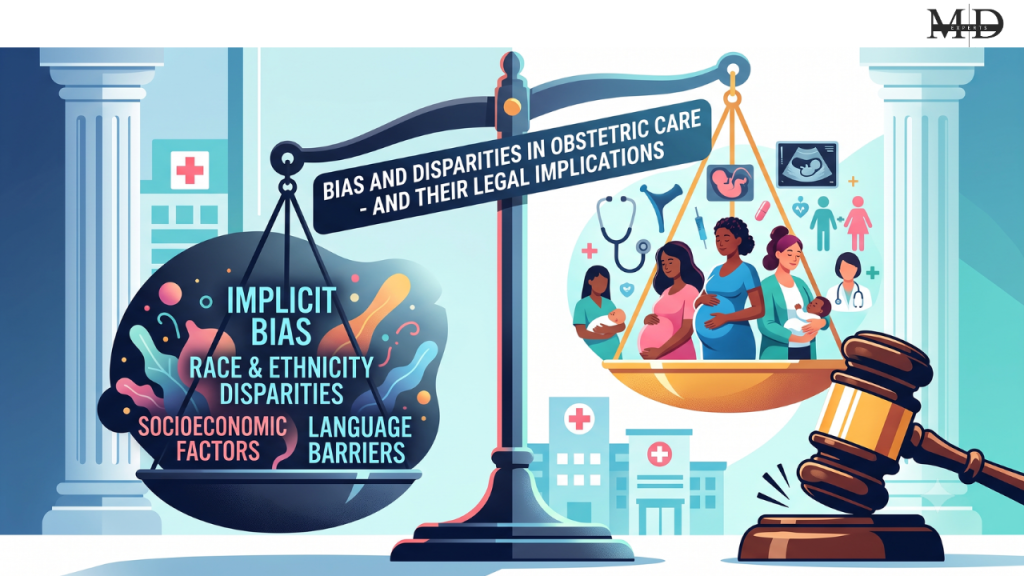
As awareness of healthcare inequities continues to increase, cases involving bias in obstetric care litigation are becoming more complex. Medical records, clinical decision-making, adherence to guidelines, and expert medical testimony all play critical roles in determining whether adverse outcomes resulted from unavoidable complications or preventable deviations in care.
Understanding Bias in Obstetric Care
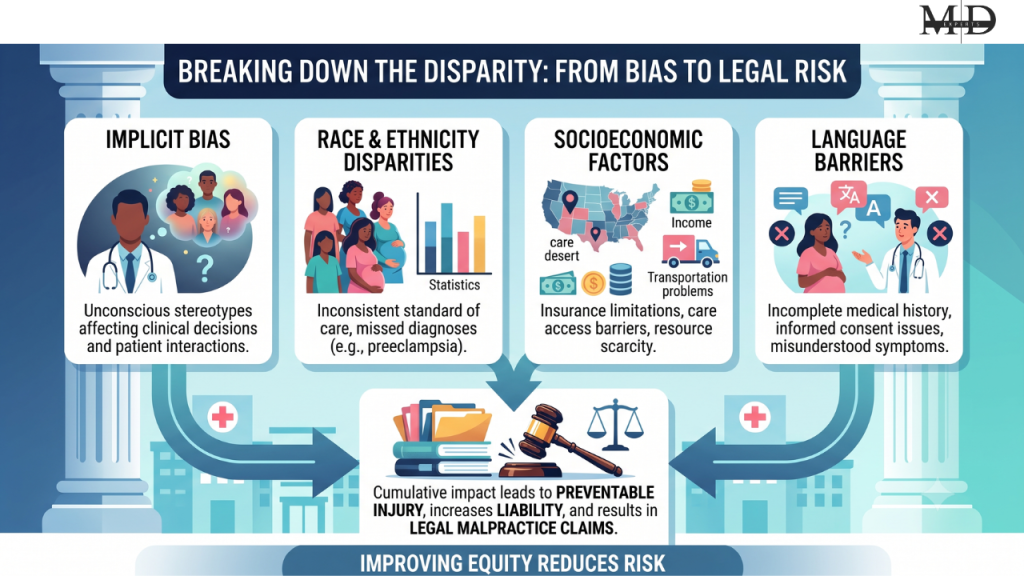
Bias in healthcare can be both explicit and implicit. While explicit discrimination is relatively uncommon, implicit bias—unconscious attitudes or stereotypes that influence clinical judgment—can affect patient-provider interactions and treatment decisions without intentional misconduct.
In obstetrics, bias may contribute to:
- Delayed recognition of maternal complications
- Inadequate pain assessment or management
- Delayed escalation of care
- Failure to respond appropriately to patient concerns
- Differences in access to prenatal or postpartum care
- Variations in communication and informed consent
Even when clinical protocols exist, inconsistent implementation may contribute to unequal outcomes among patient populations.
Maternal Racial Disparities and Clinical Outcomes
Among the most extensively studied inequities are maternal racial disparities malpractice concerns. Numerous public health studies have documented that women from racial and ethnic minority groups often experience higher rates of severe maternal morbidity and mortality compared with White patients, even after adjusting for socioeconomic factors.
These disparities have been associated with conditions including:
- Postpartum hemorrhage
- Hypertensive disorders of pregnancy
- Venous thromboembolism
- Maternal sepsis
- Delayed emergency cesarean intervention
- Cardiovascular complications
Importantly, researchers have found that many adverse maternal outcomes may be preventable through earlier recognition, standardized protocols, effective communication, and timely intervention.
How Disparities Create Medical-Legal Risk
Not every adverse obstetric outcome constitutes malpractice. Pregnancy and childbirth inherently involve unpredictable risks. However, legal scrutiny increases when evidence suggests that deviations from accepted standards of care contributed to patient harm.
The growing body of evidence surrounding OB disparities medical legal issues has expanded the scope of expert review in obstetric cases.
Potential legal questions include:
- Were warning signs appropriately recognized?
- Was the patient's reported pain or symptoms adequately evaluated?
- Were established obstetric guidelines followed?
- Was escalation to higher-level care delayed?
- Did communication failures contribute to clinical deterioration?
- Were institutional protocols consistently applied across all patients?
Expert medical analysis is often essential to determine whether documented care met accepted clinical standards.
Common Allegations in Obstetric Malpractice Cases
Attorneys increasingly encounter cases involving allegations such as:
- Failure to diagnose preeclampsia
- Delayed response to fetal distress
- Mismanagement of labor progression
- Delayed emergency cesarean delivery
- Failure to recognize postpartum hemorrhage
- Inadequate postpartum monitoring
- Failure to diagnose maternal infection
- Neonatal injury resulting from delayed intervention
When disparities in care are alleged, plaintiffs may argue that systemic bias or inconsistent treatment contributed to preventable injury. These cases often require detailed review of timelines, documentation, fetal monitoring records, nursing notes, medication administration, and adherence to professional guidelines.
The Importance of Expert Medical Review
Because obstetric cases frequently involve multiple providers, rapidly evolving clinical situations, and complex documentation, expert review is essential for objectively evaluating medical decision-making.
Medical experts can assess:
- Compliance with evidence-based obstetric guidelines
- Timeliness of diagnosis and intervention
- Documentation quality
- Communication among care teams
- Causation between clinical decisions and patient outcomes
- Whether outcomes were preventable or unavoidable
Objective expert analysis helps distinguish unfortunate complications from potential departures from the standard of care.
Addressing Inequity in Obstetric Outcomes
Healthcare organizations are increasingly implementing initiatives to reduce inequity obstetric outcomes legal concerns before they result in litigation.
Examples include:
- Standardized obstetric emergency protocols
- Implicit bias education and training
- Maternal early warning systems
- Patient safety bundles
- Improved postpartum follow-up
- Enhanced documentation practices
- Quality improvement initiatives focused on equity
These interventions aim to improve patient safety while reducing institutional liability associated with inconsistent care delivery.
The Evolving Legal Landscape
Courts and legal professionals are paying closer attention to healthcare disparities as evidence accumulates regarding unequal maternal outcomes. Although implicit bias alone does not establish negligence, disparities may become relevant when evaluating whether accepted standards of care were consistently applied.
Medical records, expert testimony, institutional policies, and nationally recognized clinical guidelines increasingly form the foundation of litigation involving obstetric complications. As healthcare systems prioritize equity, legal expectations surrounding documentation, communication, and adherence to best practices continue to evolve.
How MDExperts Supports Medical-Legal Reviews
Complex obstetric litigation requires careful evaluation by experienced medical experts who understand both clinical practice and the legal standards governing expert opinions.
At MDExperts, we provide independent, evidence-based medical expert review for obstetric and gynecologic cases. Our network of qualified physicians assists attorneys, insurers, and healthcare organizations by evaluating medical records, identifying potential deviations from standards of care, assessing causation, and preparing objective expert opinions supported by current clinical evidence.
Whether a case involves alleged diagnostic delays, birth injuries, maternal complications, or concerns related to healthcare disparities, MDExperts delivers clear, unbiased medical insights that help legal teams make informed decisions.
Contact MDExperts today to learn how our obstetric medical experts can support your next case through comprehensive medical record review, expert consultation, and litigation support. Visit our contact page to connect with our team.
References
1. World Health Organization (WHO) - Maternal Mortality
2. National Institute of Child Health and Human Development (NICHD) - Maternal Morbidity and Mortality