
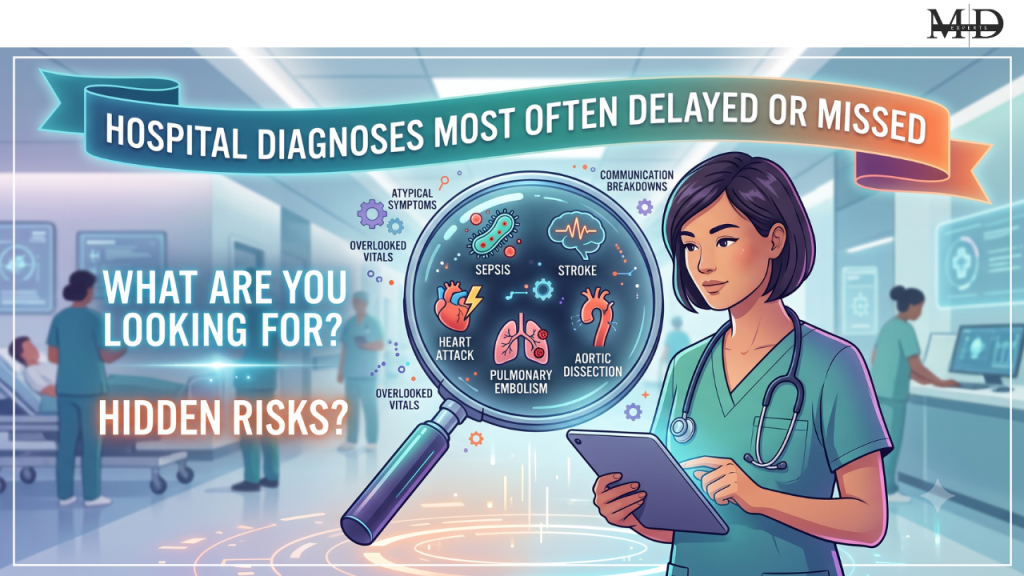
Accurate and timely diagnosis is one of the most important responsibilities of hospitalists. Because hospitalists manage a wide range of acutely ill patients, often with incomplete histories and evolving symptoms, the risk of diagnostic error remains a significant challenge. While most patients receive appropriate care, delayed or missed diagnoses can lead to serious complications, prolonged hospital stays, increased healthcare costs, and, in some cases, medical malpractice claims.
Understanding the conditions most frequently associated with hospitalist diagnostic errors can help healthcare organizations strengthen patient safety initiatives, improve clinical outcomes, and reduce inpatient diagnostic liability.
Why Diagnostic Errors Occur in Hospital Medicine
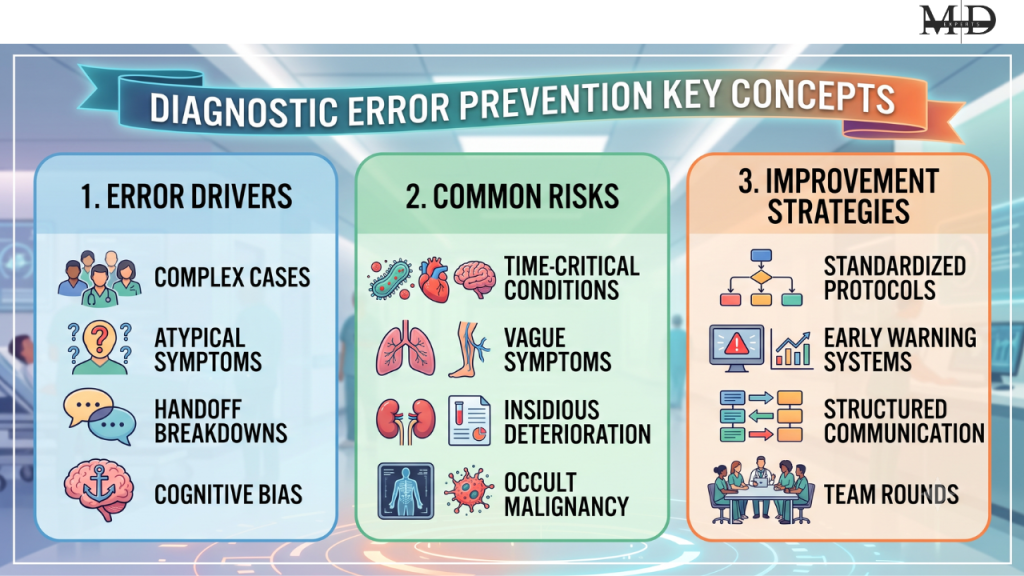
Hospitalists often care for multiple complex patients during busy shifts. Diagnoses may be delayed due to factors such as:
- Non-specific or atypical patient presentations
- Incomplete clinical information during admission
- Communication breakdowns during handoffs
- Delayed laboratory or imaging results
- Cognitive biases, including anchoring and premature diagnostic closure
- Rapidly changing patient conditions
These factors contribute to missed diagnoses by hospitalists, making continuous reassessment essential throughout a patient's hospitalization.
1. Sepsis
Sepsis remains one of the most commonly delayed diagnoses in hospitalized patients. Early symptoms—such as fever, confusion, fatigue, or mild hypotension—may initially resemble less serious illnesses.
Delayed recognition can quickly lead to septic shock, organ failure, and increased mortality.
Common contributing factors
- Mild or atypical early symptoms
- Failure to recognize worsening vital signs
- Delayed antibiotic administration
- Underestimation of infection severity
Routine reassessment and adherence to sepsis screening protocols can significantly improve early detection.
2. Stroke
Not all strokes present with classic neurological deficits. Posterior circulation strokes, transient ischemic attacks (TIAs), and strokes in younger patients may initially be overlooked.
Delayed diagnosis can result in missed opportunities for thrombolytic therapy or thrombectomy.
Warning signs
- Sudden dizziness
- Difficulty walking
- Visual disturbances
- Altered mental status
- Speech changes
- Mild weakness
Timely neurological evaluation and appropriate imaging remain critical.
3. Acute Myocardial Infarction (Heart Attack)
Patients admitted for non-cardiac complaints may actually be experiencing atypical cardiac events.
Women, older adults, and patients with diabetes frequently present without classic chest pain.
Symptoms may include:
- Shortness of breath
- Fatigue
- Nausea
- Epigastric discomfort
- Shoulder or jaw pain
Failure to recognize these presentations is a well-documented source of hospitalist diagnostic errors.
4. Pulmonary Embolism (PE)
Pulmonary embolism often presents with vague symptoms that overlap with numerous other medical conditions.
Symptoms may include:
- Mild shortness of breath
- Chest discomfort
- Tachycardia
- Syncope
- Low oxygen saturation
Delayed diagnosis increases the risk of sudden clinical deterioration.
Hospitalists should maintain a high index of suspicion, particularly in patients with recent surgery, prolonged immobility, active cancer, or prior thromboembolic disease.
5. Aortic Dissection
Although relatively uncommon, aortic dissection carries an extremely high mortality rate if not recognized promptly.
Presentation can mimic:
- Heart attack
- Stroke
- Musculoskeletal pain
- Abdominal pain
Because early imaging is often the only way to confirm the diagnosis, maintaining clinical suspicion is essential.
6. Meningitis and Encephalitis
Early neurological infections may initially resemble viral illnesses or metabolic disorders.
Possible symptoms include:
- Fever
- Headache
- Neck stiffness
- Confusion
- Seizures
- Altered mental status
Prompt neurological assessment and appropriate cerebrospinal fluid evaluation can be lifesaving.
7. Acute Kidney Injury (AKI)
Acute kidney injury often develops gradually during hospitalization.
Delayed recognition may result from:
- Overlooking rising creatinine levels
- Medication-related nephrotoxicity
- Dehydration
- Sepsis
Frequent monitoring of laboratory trends helps identify deterioration before permanent kidney damage occurs.
8. Gastrointestinal Perforation or Ischemia
Abdominal pain can be deceptively mild in elderly or immunocompromised patients.
Delayed diagnosis may occur when symptoms are attributed to:
- Gastroenteritis
- Constipation
- Medication side effects
Untreated bowel ischemia or perforation carries a high mortality rate and requires urgent surgical evaluation.
9. Spinal Epidural Abscess
Although uncommon, spinal epidural abscesses are increasingly recognized as a frequently delayed diagnosis.
Classic symptoms may not all be present.
Patients may experience:
- Severe back pain
- Fever
- Progressive weakness
- Sensory changes
Prompt MRI evaluation is often required for diagnosis.
10. Occult Malignancy
Hospital admissions occasionally uncover previously undiagnosed cancers.
However, vague symptoms such as:
- Weight loss
- Anemia
- Persistent pain
- Fatigue
Failure to pursue appropriate follow-up testing can contribute to delayed hospital diagnosis malpractice claims when significant disease progression occurs.
Reducing Hospitalist Diagnostic Errors
Healthcare organizations can reduce missed diagnoses by hospitalists through several evidence-based strategies:
- Standardized diagnostic protocols
- Early warning systems
- Structured handoff communication
- Diagnostic "time-outs" for reassessment
- Team-based multidisciplinary rounds
- Clinical decision support tools
- Ongoing education regarding cognitive bias
Creating an environment where clinicians routinely revisit their working diagnoses can significantly improve diagnostic accuracy.
Diagnostic Errors and Medical Liability
While every adverse outcome does not represent negligence, diagnostic delays remain one of the leading causes of malpractice claims involving inpatient care.
Cases involving delayed hospital diagnosis malpractice frequently focus on whether:
- Appropriate testing was ordered
- Symptoms were adequately evaluated
- Abnormal findings were followed up
- Consultants were involved when indicated
- Changes in patient condition prompted reassessment
Proactive quality improvement efforts not only enhance patient outcomes but also help reduce inpatient diagnostic liability.
How MDExperts Supports Diagnostic Error Reviews
When questions arise regarding hospitalist diagnostic errors, an objective expert review can provide valuable clinical insight. At MDExperts, our nationwide network of experienced physician experts assists attorneys, healthcare organizations, insurers, and risk management professionals by providing independent, evidence-based medical expert opinions across a broad range of hospital medicine cases.
Whether evaluating potential missed diagnoses by hospitalists, delays in treatment, or questions involving inpatient diagnostic liability, our experts deliver clear, impartial analyses grounded in current standards of care.
Need an experienced hospital medicine expert? Visit the MDExperts Contact Page to connect with our team and discuss your case.
Learn more about our hospitalist experts.
Conclusion
Hospital medicine involves caring for patients with complex, rapidly evolving conditions, making diagnostic accuracy both challenging and essential. By recognizing commonly delayed diagnoses, implementing structured diagnostic processes, and encouraging continuous clinical reassessment, healthcare organizations can improve patient safety while reducing preventable errors and liability.
When expert medical review is needed, MDExperts provides trusted physician expertise to support informed case evaluation and objective clinical analysis.
References
1. Centers for Disease Control and Prevention (CDC) – Sepsis Clinical Information
Accessed July 14, 2026
2. American Heart Association – Stroke Symptoms and Emergency Care
Accessed July 14, 2026
3. Agency for Healthcare Research and Quality (AHRQ) – Diagnostic Safety
Accessed July 14, 2026
4. AHRQ – Improving the Safety of Diagnosis and Therapy in the Inpatient Setting
Accessed July 14, 2026
5. American Heart Association – Stroke Warning Signs
Accessed July 14, 2026
6. American College of Cardiology (ACC) – Clinical Guidelines
Accessed July 14, 2026