
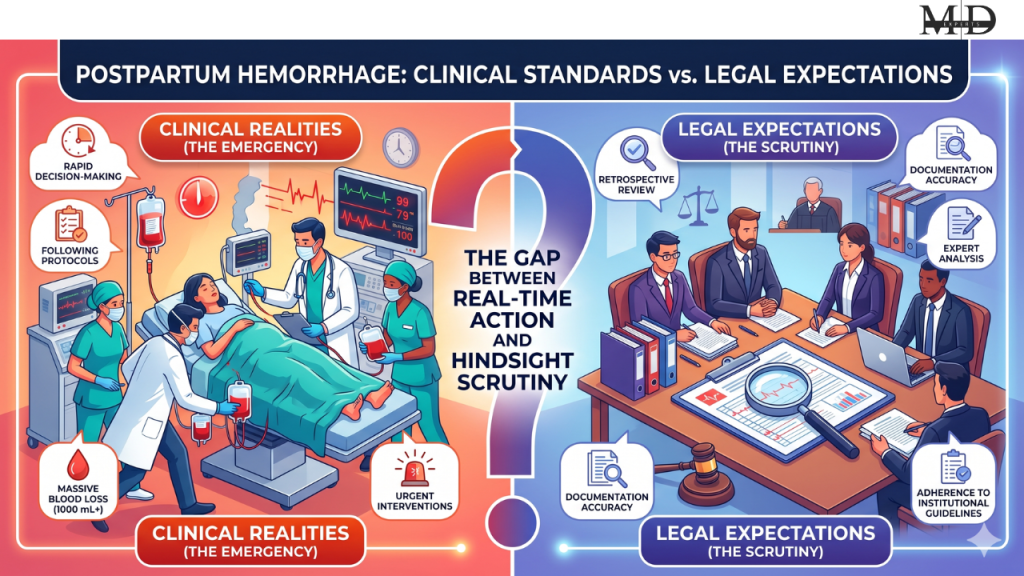
Postpartum hemorrhage (PPH) remains one of the most critical emergencies in obstetric care. Despite advances in maternal health protocols, severe bleeding after childbirth continues to contribute significantly to maternal morbidity and mortality worldwide. Clinicians are expected to act rapidly, follow evidence-based protocols, and document every intervention carefully. At the same time, healthcare organizations increasingly face scrutiny through postpartum hemorrhage malpractice claims and complex questions surrounding the legal interpretation of standard of care.
The gap between clinical realities and legal expectations is where many disputes arise.
Understanding Postpartum Hemorrhage
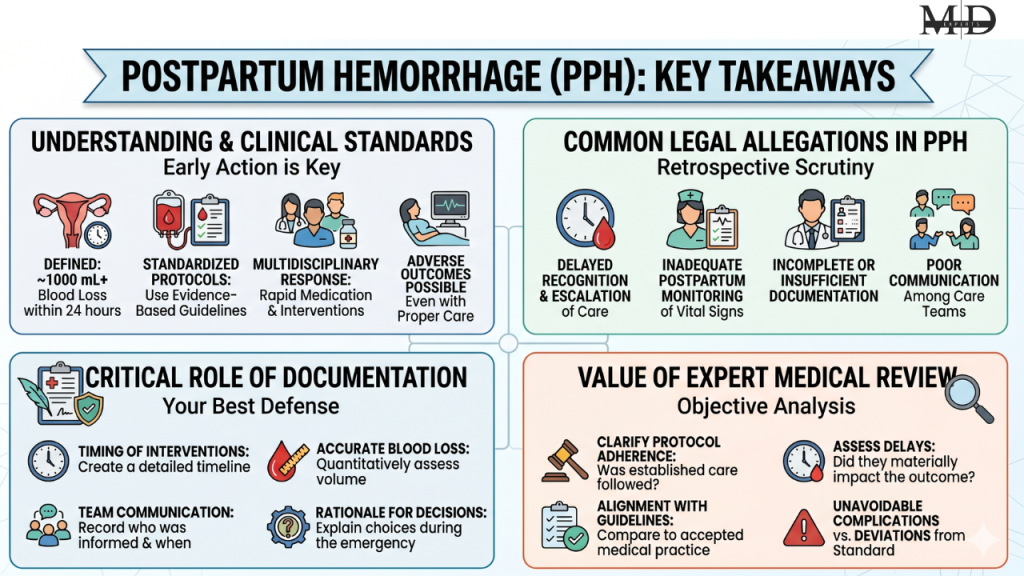
PPH is generally defined as cumulative blood loss of 1,000 mL or more, or bleeding associated with signs of hypovolemia within 24 hours after delivery. Common causes include:
• Uterine atony
• Retained placental tissue
• Trauma during delivery
• Coagulation disorders
Clinical management often requires rapid escalation, including uterotonics, blood transfusion protocols, surgical intervention, and multidisciplinary coordination. According to the American College of Obstetricians and Gynecologists (ACOG) and the World Health Organization (WHO), standardized hemorrhage response systems significantly improve maternal outcomes.
The Clinical Standard of Care in PPH Management
Modern obstetric practice emphasizes preparedness, early recognition, and rapid intervention. Current PPH protocols typically include:
• Quantitative blood loss measurement
• Risk stratification during labor and delivery
• Massive transfusion protocols
• Timely administration of uterotonic medications
• Team-based emergency response
• Escalation to surgical management when necessary
These protocols form the basis of accepted clinical standards. However, even when providers follow evidence-based medicine, poor outcomes may still occur because PPH can progress unpredictably and rapidly.
This distinction becomes especially important in cases involving PPH clinical standards liability.
When Clinical Outcomes Become Legal Cases
In medical litigation, the legal system often evaluates care retrospectively. Attorneys and expert witnesses review whether healthcare professionals acted reasonably under the circumstances. The challenge is that emergency obstetric decisions are made in real time, frequently under incomplete information and immense pressure.
Common allegations in PPH management litigation include:
• Delayed recognition of hemorrhage
• Failure to escalate treatment promptly
• Inadequate monitoring after delivery
• Delayed blood transfusion
• Poor communication among care teams
• Incomplete documentation
• Failure to follow institutional protocols
Importantly, adverse outcomes alone do not necessarily indicate negligence. Courts generally examine whether the actions taken aligned with accepted clinical practice at the time of care.
The Documentation Factor
One of the most significant drivers of maternal hemorrhage negligence claims is insufficient documentation.
Even clinically appropriate care may become difficult to defend when medical records fail to clearly demonstrate:
• Timing of interventions
• Blood loss assessments
• Escalation steps
• Team communication
• Rationale for clinical decisions
In many postpartum hemorrhage malpractice cases, documentation gaps create the perception that care delays occurred, even when providers acted appropriately.
Detailed and contemporaneous charting remains one of the strongest defenses against liability exposure.
Why Expert Medical Review Matters
PPH cases are medically complex. They often involve overlapping questions regarding obstetric standards, emergency response timing, transfusion practices, anesthesia coordination, and hospital systems management.
Independent medical expert review can help clarify:
• Whether established protocols were followed
• If delays materially affected outcomes
• Whether care aligned with recognized guidelines
• How documentation supports or weakens the defense
• The distinction between unavoidable complications and true deviation from standard of care
This level of analysis is critical in evaluating allegations tied to PPH clinical standards liability and broader maternal care disputes.
The Evolving Legal Landscape Around PPH
Healthcare systems are increasingly expected to implement formal maternal safety bundles and hemorrhage response programs. Regulatory bodies and accreditation organizations continue to emphasize standardized maternal emergency preparedness.
As these standards evolve, so do legal expectations.
Hospitals without clearly implemented PPH protocols may face increased exposure during litigation. Similarly, inconsistent adherence to institutional guidelines can become a focal point in PPH management litigation.
At the same time, courts are beginning to recognize the unpredictable nature of severe obstetric hemorrhage, particularly when providers demonstrate timely escalation and adherence to evidence-based practices.
How MDExperts Supports PPH Case Review
At MDExperts, we provide independent medical expert review services for complex obstetric and maternal care cases, including postpartum hemorrhage claims.
Our physician experts assist with:
• Standard of care evaluations
• Chronology and timeline analysis
• Medical record review
• Causation assessment
• Expert witness support
• Litigation consulting
Whether the matter involves alleged postpartum hemorrhage malpractice, disputed emergency response timelines, or concerns regarding maternal hemorrhage negligence, our team delivers objective, evidence-based medical insight.
To discuss a case or request an expert review, visit our Contact Page.
References
1. ACOG Practice Bulletin: Postpartum Hemorrhage
Accessed May 26, 2026
2. WHO: Consolidated Guidelines for Prevention, Diagnosis and Treatment of Postpartum Haemorrhage
Accessed May 26, 2026
3. WHO: Recommendations on Assessment of Postpartum Blood Loss and Treatment Bundles
Accessed May 26, 2026
4. PubMed: Practice Bulletin No. 183 – Postpartum Hemorrhage
Accessed May 26, 2026
5. PubMed: ACOG Clinical Management Guidelines for Postpartum Hemorrhage
Accessed May 26, 2026